Colección 63+ Henri Matisse Paintings Woman
Colección 63+ Henri Matisse Paintings Woman. Dance (la danse) is a painting made by henri matisse in 1910, at the request of russian businessman and art collector sergei shchukin, who bequeathed the large decorative panel to the hermitage museum in saint petersburg, russia.the composition of dancing figures is commonly recognized as a key point of (matisse's) career and in the development of modern painting. In matisse's work, the serpentine arabesques that define the contours of the women are heavily emphasized, and then reiterated in the curvilinear lines of the trees.

Destacados Henri Matisse Myworldweb
Dance (la danse) is a painting made by henri matisse in 1910, at the request of russian businessman and art collector sergei shchukin, who bequeathed the large decorative panel to the hermitage museum in saint petersburg, russia.the composition of dancing figures is commonly recognized as a key point of (matisse's) career and in the development of modern painting. In matisse's work, the serpentine arabesques that define the contours of the women are heavily emphasized, and then reiterated in the curvilinear lines of the trees.Dance (la danse) is a painting made by henri matisse in 1910, at the request of russian businessman and art collector sergei shchukin, who bequeathed the large decorative panel to the hermitage museum in saint petersburg, russia.the composition of dancing figures is commonly recognized as a key point of (matisse's) career and in the development of modern painting.
In matisse's work, the serpentine arabesques that define the contours of the women are heavily emphasized, and then reiterated in the curvilinear lines of the trees. Dance (la danse) is a painting made by henri matisse in 1910, at the request of russian businessman and art collector sergei shchukin, who bequeathed the large decorative panel to the hermitage museum in saint petersburg, russia.the composition of dancing figures is commonly recognized as a key point of (matisse's) career and in the development of modern painting. In matisse's work, the serpentine arabesques that define the contours of the women are heavily emphasized, and then reiterated in the curvilinear lines of the trees.

Dance (la danse) is a painting made by henri matisse in 1910, at the request of russian businessman and art collector sergei shchukin, who bequeathed the large decorative panel to the hermitage museum in saint petersburg, russia.the composition of dancing figures is commonly recognized as a key point of (matisse's) career and in the development of modern painting. In matisse's work, the serpentine arabesques that define the contours of the women are heavily emphasized, and then reiterated in the curvilinear lines of the trees. Dance (la danse) is a painting made by henri matisse in 1910, at the request of russian businessman and art collector sergei shchukin, who bequeathed the large decorative panel to the hermitage museum in saint petersburg, russia.the composition of dancing figures is commonly recognized as a key point of (matisse's) career and in the development of modern painting.. Dance (la danse) is a painting made by henri matisse in 1910, at the request of russian businessman and art collector sergei shchukin, who bequeathed the large decorative panel to the hermitage museum in saint petersburg, russia.the composition of dancing figures is commonly recognized as a key point of (matisse's) career and in the development of modern painting.

Dance (la danse) is a painting made by henri matisse in 1910, at the request of russian businessman and art collector sergei shchukin, who bequeathed the large decorative panel to the hermitage museum in saint petersburg, russia.the composition of dancing figures is commonly recognized as a key point of (matisse's) career and in the development of modern painting. In matisse's work, the serpentine arabesques that define the contours of the women are heavily emphasized, and then reiterated in the curvilinear lines of the trees. Dance (la danse) is a painting made by henri matisse in 1910, at the request of russian businessman and art collector sergei shchukin, who bequeathed the large decorative panel to the hermitage museum in saint petersburg, russia.the composition of dancing figures is commonly recognized as a key point of (matisse's) career and in the development of modern painting. In matisse's work, the serpentine arabesques that define the contours of the women are heavily emphasized, and then reiterated in the curvilinear lines of the trees.

Dance (la danse) is a painting made by henri matisse in 1910, at the request of russian businessman and art collector sergei shchukin, who bequeathed the large decorative panel to the hermitage museum in saint petersburg, russia.the composition of dancing figures is commonly recognized as a key point of (matisse's) career and in the development of modern painting.. In matisse's work, the serpentine arabesques that define the contours of the women are heavily emphasized, and then reiterated in the curvilinear lines of the trees. Dance (la danse) is a painting made by henri matisse in 1910, at the request of russian businessman and art collector sergei shchukin, who bequeathed the large decorative panel to the hermitage museum in saint petersburg, russia.the composition of dancing figures is commonly recognized as a key point of (matisse's) career and in the development of modern painting... Dance (la danse) is a painting made by henri matisse in 1910, at the request of russian businessman and art collector sergei shchukin, who bequeathed the large decorative panel to the hermitage museum in saint petersburg, russia.the composition of dancing figures is commonly recognized as a key point of (matisse's) career and in the development of modern painting.

In matisse's work, the serpentine arabesques that define the contours of the women are heavily emphasized, and then reiterated in the curvilinear lines of the trees. In matisse's work, the serpentine arabesques that define the contours of the women are heavily emphasized, and then reiterated in the curvilinear lines of the trees. Dance (la danse) is a painting made by henri matisse in 1910, at the request of russian businessman and art collector sergei shchukin, who bequeathed the large decorative panel to the hermitage museum in saint petersburg, russia.the composition of dancing figures is commonly recognized as a key point of (matisse's) career and in the development of modern painting... Dance (la danse) is a painting made by henri matisse in 1910, at the request of russian businessman and art collector sergei shchukin, who bequeathed the large decorative panel to the hermitage museum in saint petersburg, russia.the composition of dancing figures is commonly recognized as a key point of (matisse's) career and in the development of modern painting.

Dance (la danse) is a painting made by henri matisse in 1910, at the request of russian businessman and art collector sergei shchukin, who bequeathed the large decorative panel to the hermitage museum in saint petersburg, russia.the composition of dancing figures is commonly recognized as a key point of (matisse's) career and in the development of modern painting. In matisse's work, the serpentine arabesques that define the contours of the women are heavily emphasized, and then reiterated in the curvilinear lines of the trees. In matisse's work, the serpentine arabesques that define the contours of the women are heavily emphasized, and then reiterated in the curvilinear lines of the trees.

Dance (la danse) is a painting made by henri matisse in 1910, at the request of russian businessman and art collector sergei shchukin, who bequeathed the large decorative panel to the hermitage museum in saint petersburg, russia.the composition of dancing figures is commonly recognized as a key point of (matisse's) career and in the development of modern painting. In matisse's work, the serpentine arabesques that define the contours of the women are heavily emphasized, and then reiterated in the curvilinear lines of the trees.

Dance (la danse) is a painting made by henri matisse in 1910, at the request of russian businessman and art collector sergei shchukin, who bequeathed the large decorative panel to the hermitage museum in saint petersburg, russia.the composition of dancing figures is commonly recognized as a key point of (matisse's) career and in the development of modern painting... In matisse's work, the serpentine arabesques that define the contours of the women are heavily emphasized, and then reiterated in the curvilinear lines of the trees. Dance (la danse) is a painting made by henri matisse in 1910, at the request of russian businessman and art collector sergei shchukin, who bequeathed the large decorative panel to the hermitage museum in saint petersburg, russia.the composition of dancing figures is commonly recognized as a key point of (matisse's) career and in the development of modern painting.. Dance (la danse) is a painting made by henri matisse in 1910, at the request of russian businessman and art collector sergei shchukin, who bequeathed the large decorative panel to the hermitage museum in saint petersburg, russia.the composition of dancing figures is commonly recognized as a key point of (matisse's) career and in the development of modern painting.

Dance (la danse) is a painting made by henri matisse in 1910, at the request of russian businessman and art collector sergei shchukin, who bequeathed the large decorative panel to the hermitage museum in saint petersburg, russia.the composition of dancing figures is commonly recognized as a key point of (matisse's) career and in the development of modern painting.. In matisse's work, the serpentine arabesques that define the contours of the women are heavily emphasized, and then reiterated in the curvilinear lines of the trees. Dance (la danse) is a painting made by henri matisse in 1910, at the request of russian businessman and art collector sergei shchukin, who bequeathed the large decorative panel to the hermitage museum in saint petersburg, russia.the composition of dancing figures is commonly recognized as a key point of (matisse's) career and in the development of modern painting. In matisse's work, the serpentine arabesques that define the contours of the women are heavily emphasized, and then reiterated in the curvilinear lines of the trees.

In matisse's work, the serpentine arabesques that define the contours of the women are heavily emphasized, and then reiterated in the curvilinear lines of the trees. In matisse's work, the serpentine arabesques that define the contours of the women are heavily emphasized, and then reiterated in the curvilinear lines of the trees. Dance (la danse) is a painting made by henri matisse in 1910, at the request of russian businessman and art collector sergei shchukin, who bequeathed the large decorative panel to the hermitage museum in saint petersburg, russia.the composition of dancing figures is commonly recognized as a key point of (matisse's) career and in the development of modern painting... Dance (la danse) is a painting made by henri matisse in 1910, at the request of russian businessman and art collector sergei shchukin, who bequeathed the large decorative panel to the hermitage museum in saint petersburg, russia.the composition of dancing figures is commonly recognized as a key point of (matisse's) career and in the development of modern painting.

Dance (la danse) is a painting made by henri matisse in 1910, at the request of russian businessman and art collector sergei shchukin, who bequeathed the large decorative panel to the hermitage museum in saint petersburg, russia.the composition of dancing figures is commonly recognized as a key point of (matisse's) career and in the development of modern painting. In matisse's work, the serpentine arabesques that define the contours of the women are heavily emphasized, and then reiterated in the curvilinear lines of the trees. Dance (la danse) is a painting made by henri matisse in 1910, at the request of russian businessman and art collector sergei shchukin, who bequeathed the large decorative panel to the hermitage museum in saint petersburg, russia.the composition of dancing figures is commonly recognized as a key point of (matisse's) career and in the development of modern painting. In matisse's work, the serpentine arabesques that define the contours of the women are heavily emphasized, and then reiterated in the curvilinear lines of the trees.

Dance (la danse) is a painting made by henri matisse in 1910, at the request of russian businessman and art collector sergei shchukin, who bequeathed the large decorative panel to the hermitage museum in saint petersburg, russia.the composition of dancing figures is commonly recognized as a key point of (matisse's) career and in the development of modern painting.. Dance (la danse) is a painting made by henri matisse in 1910, at the request of russian businessman and art collector sergei shchukin, who bequeathed the large decorative panel to the hermitage museum in saint petersburg, russia.the composition of dancing figures is commonly recognized as a key point of (matisse's) career and in the development of modern painting.. In matisse's work, the serpentine arabesques that define the contours of the women are heavily emphasized, and then reiterated in the curvilinear lines of the trees.

In matisse's work, the serpentine arabesques that define the contours of the women are heavily emphasized, and then reiterated in the curvilinear lines of the trees. In matisse's work, the serpentine arabesques that define the contours of the women are heavily emphasized, and then reiterated in the curvilinear lines of the trees. Dance (la danse) is a painting made by henri matisse in 1910, at the request of russian businessman and art collector sergei shchukin, who bequeathed the large decorative panel to the hermitage museum in saint petersburg, russia.the composition of dancing figures is commonly recognized as a key point of (matisse's) career and in the development of modern painting.. In matisse's work, the serpentine arabesques that define the contours of the women are heavily emphasized, and then reiterated in the curvilinear lines of the trees.

Dance (la danse) is a painting made by henri matisse in 1910, at the request of russian businessman and art collector sergei shchukin, who bequeathed the large decorative panel to the hermitage museum in saint petersburg, russia.the composition of dancing figures is commonly recognized as a key point of (matisse's) career and in the development of modern painting.. . In matisse's work, the serpentine arabesques that define the contours of the women are heavily emphasized, and then reiterated in the curvilinear lines of the trees.

Dance (la danse) is a painting made by henri matisse in 1910, at the request of russian businessman and art collector sergei shchukin, who bequeathed the large decorative panel to the hermitage museum in saint petersburg, russia.the composition of dancing figures is commonly recognized as a key point of (matisse's) career and in the development of modern painting. Dance (la danse) is a painting made by henri matisse in 1910, at the request of russian businessman and art collector sergei shchukin, who bequeathed the large decorative panel to the hermitage museum in saint petersburg, russia.the composition of dancing figures is commonly recognized as a key point of (matisse's) career and in the development of modern painting. In matisse's work, the serpentine arabesques that define the contours of the women are heavily emphasized, and then reiterated in the curvilinear lines of the trees.. In matisse's work, the serpentine arabesques that define the contours of the women are heavily emphasized, and then reiterated in the curvilinear lines of the trees.

In matisse's work, the serpentine arabesques that define the contours of the women are heavily emphasized, and then reiterated in the curvilinear lines of the trees... Dance (la danse) is a painting made by henri matisse in 1910, at the request of russian businessman and art collector sergei shchukin, who bequeathed the large decorative panel to the hermitage museum in saint petersburg, russia.the composition of dancing figures is commonly recognized as a key point of (matisse's) career and in the development of modern painting. In matisse's work, the serpentine arabesques that define the contours of the women are heavily emphasized, and then reiterated in the curvilinear lines of the trees. Dance (la danse) is a painting made by henri matisse in 1910, at the request of russian businessman and art collector sergei shchukin, who bequeathed the large decorative panel to the hermitage museum in saint petersburg, russia.the composition of dancing figures is commonly recognized as a key point of (matisse's) career and in the development of modern painting.

In matisse's work, the serpentine arabesques that define the contours of the women are heavily emphasized, and then reiterated in the curvilinear lines of the trees. Dance (la danse) is a painting made by henri matisse in 1910, at the request of russian businessman and art collector sergei shchukin, who bequeathed the large decorative panel to the hermitage museum in saint petersburg, russia.the composition of dancing figures is commonly recognized as a key point of (matisse's) career and in the development of modern painting. In matisse's work, the serpentine arabesques that define the contours of the women are heavily emphasized, and then reiterated in the curvilinear lines of the trees... In matisse's work, the serpentine arabesques that define the contours of the women are heavily emphasized, and then reiterated in the curvilinear lines of the trees.

In matisse's work, the serpentine arabesques that define the contours of the women are heavily emphasized, and then reiterated in the curvilinear lines of the trees. In matisse's work, the serpentine arabesques that define the contours of the women are heavily emphasized, and then reiterated in the curvilinear lines of the trees. Dance (la danse) is a painting made by henri matisse in 1910, at the request of russian businessman and art collector sergei shchukin, who bequeathed the large decorative panel to the hermitage museum in saint petersburg, russia.the composition of dancing figures is commonly recognized as a key point of (matisse's) career and in the development of modern painting... Dance (la danse) is a painting made by henri matisse in 1910, at the request of russian businessman and art collector sergei shchukin, who bequeathed the large decorative panel to the hermitage museum in saint petersburg, russia.the composition of dancing figures is commonly recognized as a key point of (matisse's) career and in the development of modern painting.

In matisse's work, the serpentine arabesques that define the contours of the women are heavily emphasized, and then reiterated in the curvilinear lines of the trees.. In matisse's work, the serpentine arabesques that define the contours of the women are heavily emphasized, and then reiterated in the curvilinear lines of the trees. Dance (la danse) is a painting made by henri matisse in 1910, at the request of russian businessman and art collector sergei shchukin, who bequeathed the large decorative panel to the hermitage museum in saint petersburg, russia.the composition of dancing figures is commonly recognized as a key point of (matisse's) career and in the development of modern painting.. In matisse's work, the serpentine arabesques that define the contours of the women are heavily emphasized, and then reiterated in the curvilinear lines of the trees.

Dance (la danse) is a painting made by henri matisse in 1910, at the request of russian businessman and art collector sergei shchukin, who bequeathed the large decorative panel to the hermitage museum in saint petersburg, russia.the composition of dancing figures is commonly recognized as a key point of (matisse's) career and in the development of modern painting. Dance (la danse) is a painting made by henri matisse in 1910, at the request of russian businessman and art collector sergei shchukin, who bequeathed the large decorative panel to the hermitage museum in saint petersburg, russia.the composition of dancing figures is commonly recognized as a key point of (matisse's) career and in the development of modern painting. In matisse's work, the serpentine arabesques that define the contours of the women are heavily emphasized, and then reiterated in the curvilinear lines of the trees.. Dance (la danse) is a painting made by henri matisse in 1910, at the request of russian businessman and art collector sergei shchukin, who bequeathed the large decorative panel to the hermitage museum in saint petersburg, russia.the composition of dancing figures is commonly recognized as a key point of (matisse's) career and in the development of modern painting.

Dance (la danse) is a painting made by henri matisse in 1910, at the request of russian businessman and art collector sergei shchukin, who bequeathed the large decorative panel to the hermitage museum in saint petersburg, russia.the composition of dancing figures is commonly recognized as a key point of (matisse's) career and in the development of modern painting. In matisse's work, the serpentine arabesques that define the contours of the women are heavily emphasized, and then reiterated in the curvilinear lines of the trees. Dance (la danse) is a painting made by henri matisse in 1910, at the request of russian businessman and art collector sergei shchukin, who bequeathed the large decorative panel to the hermitage museum in saint petersburg, russia.the composition of dancing figures is commonly recognized as a key point of (matisse's) career and in the development of modern painting... Dance (la danse) is a painting made by henri matisse in 1910, at the request of russian businessman and art collector sergei shchukin, who bequeathed the large decorative panel to the hermitage museum in saint petersburg, russia.the composition of dancing figures is commonly recognized as a key point of (matisse's) career and in the development of modern painting.

In matisse's work, the serpentine arabesques that define the contours of the women are heavily emphasized, and then reiterated in the curvilinear lines of the trees. In matisse's work, the serpentine arabesques that define the contours of the women are heavily emphasized, and then reiterated in the curvilinear lines of the trees. Dance (la danse) is a painting made by henri matisse in 1910, at the request of russian businessman and art collector sergei shchukin, who bequeathed the large decorative panel to the hermitage museum in saint petersburg, russia.the composition of dancing figures is commonly recognized as a key point of (matisse's) career and in the development of modern painting.. Dance (la danse) is a painting made by henri matisse in 1910, at the request of russian businessman and art collector sergei shchukin, who bequeathed the large decorative panel to the hermitage museum in saint petersburg, russia.the composition of dancing figures is commonly recognized as a key point of (matisse's) career and in the development of modern painting.

In matisse's work, the serpentine arabesques that define the contours of the women are heavily emphasized, and then reiterated in the curvilinear lines of the trees... In matisse's work, the serpentine arabesques that define the contours of the women are heavily emphasized, and then reiterated in the curvilinear lines of the trees. Dance (la danse) is a painting made by henri matisse in 1910, at the request of russian businessman and art collector sergei shchukin, who bequeathed the large decorative panel to the hermitage museum in saint petersburg, russia.the composition of dancing figures is commonly recognized as a key point of (matisse's) career and in the development of modern painting.. Dance (la danse) is a painting made by henri matisse in 1910, at the request of russian businessman and art collector sergei shchukin, who bequeathed the large decorative panel to the hermitage museum in saint petersburg, russia.the composition of dancing figures is commonly recognized as a key point of (matisse's) career and in the development of modern painting.

In matisse's work, the serpentine arabesques that define the contours of the women are heavily emphasized, and then reiterated in the curvilinear lines of the trees. Dance (la danse) is a painting made by henri matisse in 1910, at the request of russian businessman and art collector sergei shchukin, who bequeathed the large decorative panel to the hermitage museum in saint petersburg, russia.the composition of dancing figures is commonly recognized as a key point of (matisse's) career and in the development of modern painting. In matisse's work, the serpentine arabesques that define the contours of the women are heavily emphasized, and then reiterated in the curvilinear lines of the trees.. Dance (la danse) is a painting made by henri matisse in 1910, at the request of russian businessman and art collector sergei shchukin, who bequeathed the large decorative panel to the hermitage museum in saint petersburg, russia.the composition of dancing figures is commonly recognized as a key point of (matisse's) career and in the development of modern painting.

Dance (la danse) is a painting made by henri matisse in 1910, at the request of russian businessman and art collector sergei shchukin, who bequeathed the large decorative panel to the hermitage museum in saint petersburg, russia.the composition of dancing figures is commonly recognized as a key point of (matisse's) career and in the development of modern painting. In matisse's work, the serpentine arabesques that define the contours of the women are heavily emphasized, and then reiterated in the curvilinear lines of the trees. Dance (la danse) is a painting made by henri matisse in 1910, at the request of russian businessman and art collector sergei shchukin, who bequeathed the large decorative panel to the hermitage museum in saint petersburg, russia.the composition of dancing figures is commonly recognized as a key point of (matisse's) career and in the development of modern painting... In matisse's work, the serpentine arabesques that define the contours of the women are heavily emphasized, and then reiterated in the curvilinear lines of the trees.

Dance (la danse) is a painting made by henri matisse in 1910, at the request of russian businessman and art collector sergei shchukin, who bequeathed the large decorative panel to the hermitage museum in saint petersburg, russia.the composition of dancing figures is commonly recognized as a key point of (matisse's) career and in the development of modern painting. Dance (la danse) is a painting made by henri matisse in 1910, at the request of russian businessman and art collector sergei shchukin, who bequeathed the large decorative panel to the hermitage museum in saint petersburg, russia.the composition of dancing figures is commonly recognized as a key point of (matisse's) career and in the development of modern painting. In matisse's work, the serpentine arabesques that define the contours of the women are heavily emphasized, and then reiterated in the curvilinear lines of the trees. Dance (la danse) is a painting made by henri matisse in 1910, at the request of russian businessman and art collector sergei shchukin, who bequeathed the large decorative panel to the hermitage museum in saint petersburg, russia.the composition of dancing figures is commonly recognized as a key point of (matisse's) career and in the development of modern painting.

Dance (la danse) is a painting made by henri matisse in 1910, at the request of russian businessman and art collector sergei shchukin, who bequeathed the large decorative panel to the hermitage museum in saint petersburg, russia.the composition of dancing figures is commonly recognized as a key point of (matisse's) career and in the development of modern painting. . In matisse's work, the serpentine arabesques that define the contours of the women are heavily emphasized, and then reiterated in the curvilinear lines of the trees.

In matisse's work, the serpentine arabesques that define the contours of the women are heavily emphasized, and then reiterated in the curvilinear lines of the trees. In matisse's work, the serpentine arabesques that define the contours of the women are heavily emphasized, and then reiterated in the curvilinear lines of the trees. Dance (la danse) is a painting made by henri matisse in 1910, at the request of russian businessman and art collector sergei shchukin, who bequeathed the large decorative panel to the hermitage museum in saint petersburg, russia.the composition of dancing figures is commonly recognized as a key point of (matisse's) career and in the development of modern painting. Dance (la danse) is a painting made by henri matisse in 1910, at the request of russian businessman and art collector sergei shchukin, who bequeathed the large decorative panel to the hermitage museum in saint petersburg, russia.the composition of dancing figures is commonly recognized as a key point of (matisse's) career and in the development of modern painting.

In matisse's work, the serpentine arabesques that define the contours of the women are heavily emphasized, and then reiterated in the curvilinear lines of the trees... In matisse's work, the serpentine arabesques that define the contours of the women are heavily emphasized, and then reiterated in the curvilinear lines of the trees. Dance (la danse) is a painting made by henri matisse in 1910, at the request of russian businessman and art collector sergei shchukin, who bequeathed the large decorative panel to the hermitage museum in saint petersburg, russia.the composition of dancing figures is commonly recognized as a key point of (matisse's) career and in the development of modern painting. Dance (la danse) is a painting made by henri matisse in 1910, at the request of russian businessman and art collector sergei shchukin, who bequeathed the large decorative panel to the hermitage museum in saint petersburg, russia.the composition of dancing figures is commonly recognized as a key point of (matisse's) career and in the development of modern painting.

Dance (la danse) is a painting made by henri matisse in 1910, at the request of russian businessman and art collector sergei shchukin, who bequeathed the large decorative panel to the hermitage museum in saint petersburg, russia.the composition of dancing figures is commonly recognized as a key point of (matisse's) career and in the development of modern painting... Dance (la danse) is a painting made by henri matisse in 1910, at the request of russian businessman and art collector sergei shchukin, who bequeathed the large decorative panel to the hermitage museum in saint petersburg, russia.the composition of dancing figures is commonly recognized as a key point of (matisse's) career and in the development of modern painting. In matisse's work, the serpentine arabesques that define the contours of the women are heavily emphasized, and then reiterated in the curvilinear lines of the trees... In matisse's work, the serpentine arabesques that define the contours of the women are heavily emphasized, and then reiterated in the curvilinear lines of the trees.

Dance (la danse) is a painting made by henri matisse in 1910, at the request of russian businessman and art collector sergei shchukin, who bequeathed the large decorative panel to the hermitage museum in saint petersburg, russia.the composition of dancing figures is commonly recognized as a key point of (matisse's) career and in the development of modern painting... Dance (la danse) is a painting made by henri matisse in 1910, at the request of russian businessman and art collector sergei shchukin, who bequeathed the large decorative panel to the hermitage museum in saint petersburg, russia.the composition of dancing figures is commonly recognized as a key point of (matisse's) career and in the development of modern painting.

In matisse's work, the serpentine arabesques that define the contours of the women are heavily emphasized, and then reiterated in the curvilinear lines of the trees. Dance (la danse) is a painting made by henri matisse in 1910, at the request of russian businessman and art collector sergei shchukin, who bequeathed the large decorative panel to the hermitage museum in saint petersburg, russia.the composition of dancing figures is commonly recognized as a key point of (matisse's) career and in the development of modern painting. In matisse's work, the serpentine arabesques that define the contours of the women are heavily emphasized, and then reiterated in the curvilinear lines of the trees.. Dance (la danse) is a painting made by henri matisse in 1910, at the request of russian businessman and art collector sergei shchukin, who bequeathed the large decorative panel to the hermitage museum in saint petersburg, russia.the composition of dancing figures is commonly recognized as a key point of (matisse's) career and in the development of modern painting.

In matisse's work, the serpentine arabesques that define the contours of the women are heavily emphasized, and then reiterated in the curvilinear lines of the trees. Dance (la danse) is a painting made by henri matisse in 1910, at the request of russian businessman and art collector sergei shchukin, who bequeathed the large decorative panel to the hermitage museum in saint petersburg, russia.the composition of dancing figures is commonly recognized as a key point of (matisse's) career and in the development of modern painting. In matisse's work, the serpentine arabesques that define the contours of the women are heavily emphasized, and then reiterated in the curvilinear lines of the trees.. In matisse's work, the serpentine arabesques that define the contours of the women are heavily emphasized, and then reiterated in the curvilinear lines of the trees.

Dance (la danse) is a painting made by henri matisse in 1910, at the request of russian businessman and art collector sergei shchukin, who bequeathed the large decorative panel to the hermitage museum in saint petersburg, russia.the composition of dancing figures is commonly recognized as a key point of (matisse's) career and in the development of modern painting. Dance (la danse) is a painting made by henri matisse in 1910, at the request of russian businessman and art collector sergei shchukin, who bequeathed the large decorative panel to the hermitage museum in saint petersburg, russia.the composition of dancing figures is commonly recognized as a key point of (matisse's) career and in the development of modern painting. In matisse's work, the serpentine arabesques that define the contours of the women are heavily emphasized, and then reiterated in the curvilinear lines of the trees. Dance (la danse) is a painting made by henri matisse in 1910, at the request of russian businessman and art collector sergei shchukin, who bequeathed the large decorative panel to the hermitage museum in saint petersburg, russia.the composition of dancing figures is commonly recognized as a key point of (matisse's) career and in the development of modern painting.

In matisse's work, the serpentine arabesques that define the contours of the women are heavily emphasized, and then reiterated in the curvilinear lines of the trees.. Dance (la danse) is a painting made by henri matisse in 1910, at the request of russian businessman and art collector sergei shchukin, who bequeathed the large decorative panel to the hermitage museum in saint petersburg, russia.the composition of dancing figures is commonly recognized as a key point of (matisse's) career and in the development of modern painting. In matisse's work, the serpentine arabesques that define the contours of the women are heavily emphasized, and then reiterated in the curvilinear lines of the trees.. Dance (la danse) is a painting made by henri matisse in 1910, at the request of russian businessman and art collector sergei shchukin, who bequeathed the large decorative panel to the hermitage museum in saint petersburg, russia.the composition of dancing figures is commonly recognized as a key point of (matisse's) career and in the development of modern painting.
In matisse's work, the serpentine arabesques that define the contours of the women are heavily emphasized, and then reiterated in the curvilinear lines of the trees. In matisse's work, the serpentine arabesques that define the contours of the women are heavily emphasized, and then reiterated in the curvilinear lines of the trees. Dance (la danse) is a painting made by henri matisse in 1910, at the request of russian businessman and art collector sergei shchukin, who bequeathed the large decorative panel to the hermitage museum in saint petersburg, russia.the composition of dancing figures is commonly recognized as a key point of (matisse's) career and in the development of modern painting. Dance (la danse) is a painting made by henri matisse in 1910, at the request of russian businessman and art collector sergei shchukin, who bequeathed the large decorative panel to the hermitage museum in saint petersburg, russia.the composition of dancing figures is commonly recognized as a key point of (matisse's) career and in the development of modern painting.

Dance (la danse) is a painting made by henri matisse in 1910, at the request of russian businessman and art collector sergei shchukin, who bequeathed the large decorative panel to the hermitage museum in saint petersburg, russia.the composition of dancing figures is commonly recognized as a key point of (matisse's) career and in the development of modern painting. .. Dance (la danse) is a painting made by henri matisse in 1910, at the request of russian businessman and art collector sergei shchukin, who bequeathed the large decorative panel to the hermitage museum in saint petersburg, russia.the composition of dancing figures is commonly recognized as a key point of (matisse's) career and in the development of modern painting.

Dance (la danse) is a painting made by henri matisse in 1910, at the request of russian businessman and art collector sergei shchukin, who bequeathed the large decorative panel to the hermitage museum in saint petersburg, russia.the composition of dancing figures is commonly recognized as a key point of (matisse's) career and in the development of modern painting. Dance (la danse) is a painting made by henri matisse in 1910, at the request of russian businessman and art collector sergei shchukin, who bequeathed the large decorative panel to the hermitage museum in saint petersburg, russia.the composition of dancing figures is commonly recognized as a key point of (matisse's) career and in the development of modern painting. In matisse's work, the serpentine arabesques that define the contours of the women are heavily emphasized, and then reiterated in the curvilinear lines of the trees.. Dance (la danse) is a painting made by henri matisse in 1910, at the request of russian businessman and art collector sergei shchukin, who bequeathed the large decorative panel to the hermitage museum in saint petersburg, russia.the composition of dancing figures is commonly recognized as a key point of (matisse's) career and in the development of modern painting.

Dance (la danse) is a painting made by henri matisse in 1910, at the request of russian businessman and art collector sergei shchukin, who bequeathed the large decorative panel to the hermitage museum in saint petersburg, russia.the composition of dancing figures is commonly recognized as a key point of (matisse's) career and in the development of modern painting. In matisse's work, the serpentine arabesques that define the contours of the women are heavily emphasized, and then reiterated in the curvilinear lines of the trees. Dance (la danse) is a painting made by henri matisse in 1910, at the request of russian businessman and art collector sergei shchukin, who bequeathed the large decorative panel to the hermitage museum in saint petersburg, russia.the composition of dancing figures is commonly recognized as a key point of (matisse's) career and in the development of modern painting. Dance (la danse) is a painting made by henri matisse in 1910, at the request of russian businessman and art collector sergei shchukin, who bequeathed the large decorative panel to the hermitage museum in saint petersburg, russia.the composition of dancing figures is commonly recognized as a key point of (matisse's) career and in the development of modern painting.

In matisse's work, the serpentine arabesques that define the contours of the women are heavily emphasized, and then reiterated in the curvilinear lines of the trees. In matisse's work, the serpentine arabesques that define the contours of the women are heavily emphasized, and then reiterated in the curvilinear lines of the trees. Dance (la danse) is a painting made by henri matisse in 1910, at the request of russian businessman and art collector sergei shchukin, who bequeathed the large decorative panel to the hermitage museum in saint petersburg, russia.the composition of dancing figures is commonly recognized as a key point of (matisse's) career and in the development of modern painting... Dance (la danse) is a painting made by henri matisse in 1910, at the request of russian businessman and art collector sergei shchukin, who bequeathed the large decorative panel to the hermitage museum in saint petersburg, russia.the composition of dancing figures is commonly recognized as a key point of (matisse's) career and in the development of modern painting.

In matisse's work, the serpentine arabesques that define the contours of the women are heavily emphasized, and then reiterated in the curvilinear lines of the trees... Dance (la danse) is a painting made by henri matisse in 1910, at the request of russian businessman and art collector sergei shchukin, who bequeathed the large decorative panel to the hermitage museum in saint petersburg, russia.the composition of dancing figures is commonly recognized as a key point of (matisse's) career and in the development of modern painting. In matisse's work, the serpentine arabesques that define the contours of the women are heavily emphasized, and then reiterated in the curvilinear lines of the trees. Dance (la danse) is a painting made by henri matisse in 1910, at the request of russian businessman and art collector sergei shchukin, who bequeathed the large decorative panel to the hermitage museum in saint petersburg, russia.the composition of dancing figures is commonly recognized as a key point of (matisse's) career and in the development of modern painting.

In matisse's work, the serpentine arabesques that define the contours of the women are heavily emphasized, and then reiterated in the curvilinear lines of the trees. Dance (la danse) is a painting made by henri matisse in 1910, at the request of russian businessman and art collector sergei shchukin, who bequeathed the large decorative panel to the hermitage museum in saint petersburg, russia.the composition of dancing figures is commonly recognized as a key point of (matisse's) career and in the development of modern painting. In matisse's work, the serpentine arabesques that define the contours of the women are heavily emphasized, and then reiterated in the curvilinear lines of the trees.. Dance (la danse) is a painting made by henri matisse in 1910, at the request of russian businessman and art collector sergei shchukin, who bequeathed the large decorative panel to the hermitage museum in saint petersburg, russia.the composition of dancing figures is commonly recognized as a key point of (matisse's) career and in the development of modern painting.

Dance (la danse) is a painting made by henri matisse in 1910, at the request of russian businessman and art collector sergei shchukin, who bequeathed the large decorative panel to the hermitage museum in saint petersburg, russia.the composition of dancing figures is commonly recognized as a key point of (matisse's) career and in the development of modern painting.. Dance (la danse) is a painting made by henri matisse in 1910, at the request of russian businessman and art collector sergei shchukin, who bequeathed the large decorative panel to the hermitage museum in saint petersburg, russia.the composition of dancing figures is commonly recognized as a key point of (matisse's) career and in the development of modern painting. In matisse's work, the serpentine arabesques that define the contours of the women are heavily emphasized, and then reiterated in the curvilinear lines of the trees. In matisse's work, the serpentine arabesques that define the contours of the women are heavily emphasized, and then reiterated in the curvilinear lines of the trees.

Dance (la danse) is a painting made by henri matisse in 1910, at the request of russian businessman and art collector sergei shchukin, who bequeathed the large decorative panel to the hermitage museum in saint petersburg, russia.the composition of dancing figures is commonly recognized as a key point of (matisse's) career and in the development of modern painting... . In matisse's work, the serpentine arabesques that define the contours of the women are heavily emphasized, and then reiterated in the curvilinear lines of the trees.

Dance (la danse) is a painting made by henri matisse in 1910, at the request of russian businessman and art collector sergei shchukin, who bequeathed the large decorative panel to the hermitage museum in saint petersburg, russia.the composition of dancing figures is commonly recognized as a key point of (matisse's) career and in the development of modern painting. In matisse's work, the serpentine arabesques that define the contours of the women are heavily emphasized, and then reiterated in the curvilinear lines of the trees. Dance (la danse) is a painting made by henri matisse in 1910, at the request of russian businessman and art collector sergei shchukin, who bequeathed the large decorative panel to the hermitage museum in saint petersburg, russia.the composition of dancing figures is commonly recognized as a key point of (matisse's) career and in the development of modern painting.. In matisse's work, the serpentine arabesques that define the contours of the women are heavily emphasized, and then reiterated in the curvilinear lines of the trees.

In matisse's work, the serpentine arabesques that define the contours of the women are heavily emphasized, and then reiterated in the curvilinear lines of the trees.. Dance (la danse) is a painting made by henri matisse in 1910, at the request of russian businessman and art collector sergei shchukin, who bequeathed the large decorative panel to the hermitage museum in saint petersburg, russia.the composition of dancing figures is commonly recognized as a key point of (matisse's) career and in the development of modern painting. In matisse's work, the serpentine arabesques that define the contours of the women are heavily emphasized, and then reiterated in the curvilinear lines of the trees.. In matisse's work, the serpentine arabesques that define the contours of the women are heavily emphasized, and then reiterated in the curvilinear lines of the trees.

In matisse's work, the serpentine arabesques that define the contours of the women are heavily emphasized, and then reiterated in the curvilinear lines of the trees... Dance (la danse) is a painting made by henri matisse in 1910, at the request of russian businessman and art collector sergei shchukin, who bequeathed the large decorative panel to the hermitage museum in saint petersburg, russia.the composition of dancing figures is commonly recognized as a key point of (matisse's) career and in the development of modern painting.. In matisse's work, the serpentine arabesques that define the contours of the women are heavily emphasized, and then reiterated in the curvilinear lines of the trees.

In matisse's work, the serpentine arabesques that define the contours of the women are heavily emphasized, and then reiterated in the curvilinear lines of the trees. In matisse's work, the serpentine arabesques that define the contours of the women are heavily emphasized, and then reiterated in the curvilinear lines of the trees. In matisse's work, the serpentine arabesques that define the contours of the women are heavily emphasized, and then reiterated in the curvilinear lines of the trees.

In matisse's work, the serpentine arabesques that define the contours of the women are heavily emphasized, and then reiterated in the curvilinear lines of the trees. Dance (la danse) is a painting made by henri matisse in 1910, at the request of russian businessman and art collector sergei shchukin, who bequeathed the large decorative panel to the hermitage museum in saint petersburg, russia.the composition of dancing figures is commonly recognized as a key point of (matisse's) career and in the development of modern painting.. In matisse's work, the serpentine arabesques that define the contours of the women are heavily emphasized, and then reiterated in the curvilinear lines of the trees.
Dance (la danse) is a painting made by henri matisse in 1910, at the request of russian businessman and art collector sergei shchukin, who bequeathed the large decorative panel to the hermitage museum in saint petersburg, russia.the composition of dancing figures is commonly recognized as a key point of (matisse's) career and in the development of modern painting... Dance (la danse) is a painting made by henri matisse in 1910, at the request of russian businessman and art collector sergei shchukin, who bequeathed the large decorative panel to the hermitage museum in saint petersburg, russia.the composition of dancing figures is commonly recognized as a key point of (matisse's) career and in the development of modern painting. In matisse's work, the serpentine arabesques that define the contours of the women are heavily emphasized, and then reiterated in the curvilinear lines of the trees. Dance (la danse) is a painting made by henri matisse in 1910, at the request of russian businessman and art collector sergei shchukin, who bequeathed the large decorative panel to the hermitage museum in saint petersburg, russia.the composition of dancing figures is commonly recognized as a key point of (matisse's) career and in the development of modern painting.

In matisse's work, the serpentine arabesques that define the contours of the women are heavily emphasized, and then reiterated in the curvilinear lines of the trees. Dance (la danse) is a painting made by henri matisse in 1910, at the request of russian businessman and art collector sergei shchukin, who bequeathed the large decorative panel to the hermitage museum in saint petersburg, russia.the composition of dancing figures is commonly recognized as a key point of (matisse's) career and in the development of modern painting. In matisse's work, the serpentine arabesques that define the contours of the women are heavily emphasized, and then reiterated in the curvilinear lines of the trees... Dance (la danse) is a painting made by henri matisse in 1910, at the request of russian businessman and art collector sergei shchukin, who bequeathed the large decorative panel to the hermitage museum in saint petersburg, russia.the composition of dancing figures is commonly recognized as a key point of (matisse's) career and in the development of modern painting.

Dance (la danse) is a painting made by henri matisse in 1910, at the request of russian businessman and art collector sergei shchukin, who bequeathed the large decorative panel to the hermitage museum in saint petersburg, russia.the composition of dancing figures is commonly recognized as a key point of (matisse's) career and in the development of modern painting... In matisse's work, the serpentine arabesques that define the contours of the women are heavily emphasized, and then reiterated in the curvilinear lines of the trees. Dance (la danse) is a painting made by henri matisse in 1910, at the request of russian businessman and art collector sergei shchukin, who bequeathed the large decorative panel to the hermitage museum in saint petersburg, russia.the composition of dancing figures is commonly recognized as a key point of (matisse's) career and in the development of modern painting.. In matisse's work, the serpentine arabesques that define the contours of the women are heavily emphasized, and then reiterated in the curvilinear lines of the trees.

Dance (la danse) is a painting made by henri matisse in 1910, at the request of russian businessman and art collector sergei shchukin, who bequeathed the large decorative panel to the hermitage museum in saint petersburg, russia.the composition of dancing figures is commonly recognized as a key point of (matisse's) career and in the development of modern painting. Dance (la danse) is a painting made by henri matisse in 1910, at the request of russian businessman and art collector sergei shchukin, who bequeathed the large decorative panel to the hermitage museum in saint petersburg, russia.the composition of dancing figures is commonly recognized as a key point of (matisse's) career and in the development of modern painting. In matisse's work, the serpentine arabesques that define the contours of the women are heavily emphasized, and then reiterated in the curvilinear lines of the trees.. Dance (la danse) is a painting made by henri matisse in 1910, at the request of russian businessman and art collector sergei shchukin, who bequeathed the large decorative panel to the hermitage museum in saint petersburg, russia.the composition of dancing figures is commonly recognized as a key point of (matisse's) career and in the development of modern painting.

In matisse's work, the serpentine arabesques that define the contours of the women are heavily emphasized, and then reiterated in the curvilinear lines of the trees. Dance (la danse) is a painting made by henri matisse in 1910, at the request of russian businessman and art collector sergei shchukin, who bequeathed the large decorative panel to the hermitage museum in saint petersburg, russia.the composition of dancing figures is commonly recognized as a key point of (matisse's) career and in the development of modern painting. In matisse's work, the serpentine arabesques that define the contours of the women are heavily emphasized, and then reiterated in the curvilinear lines of the trees.. In matisse's work, the serpentine arabesques that define the contours of the women are heavily emphasized, and then reiterated in the curvilinear lines of the trees.

In matisse's work, the serpentine arabesques that define the contours of the women are heavily emphasized, and then reiterated in the curvilinear lines of the trees. In matisse's work, the serpentine arabesques that define the contours of the women are heavily emphasized, and then reiterated in the curvilinear lines of the trees. Dance (la danse) is a painting made by henri matisse in 1910, at the request of russian businessman and art collector sergei shchukin, who bequeathed the large decorative panel to the hermitage museum in saint petersburg, russia.the composition of dancing figures is commonly recognized as a key point of (matisse's) career and in the development of modern painting.. Dance (la danse) is a painting made by henri matisse in 1910, at the request of russian businessman and art collector sergei shchukin, who bequeathed the large decorative panel to the hermitage museum in saint petersburg, russia.the composition of dancing figures is commonly recognized as a key point of (matisse's) career and in the development of modern painting.

Dance (la danse) is a painting made by henri matisse in 1910, at the request of russian businessman and art collector sergei shchukin, who bequeathed the large decorative panel to the hermitage museum in saint petersburg, russia.the composition of dancing figures is commonly recognized as a key point of (matisse's) career and in the development of modern painting. Dance (la danse) is a painting made by henri matisse in 1910, at the request of russian businessman and art collector sergei shchukin, who bequeathed the large decorative panel to the hermitage museum in saint petersburg, russia.the composition of dancing figures is commonly recognized as a key point of (matisse's) career and in the development of modern painting. In matisse's work, the serpentine arabesques that define the contours of the women are heavily emphasized, and then reiterated in the curvilinear lines of the trees. In matisse's work, the serpentine arabesques that define the contours of the women are heavily emphasized, and then reiterated in the curvilinear lines of the trees.

In matisse's work, the serpentine arabesques that define the contours of the women are heavily emphasized, and then reiterated in the curvilinear lines of the trees. Dance (la danse) is a painting made by henri matisse in 1910, at the request of russian businessman and art collector sergei shchukin, who bequeathed the large decorative panel to the hermitage museum in saint petersburg, russia.the composition of dancing figures is commonly recognized as a key point of (matisse's) career and in the development of modern painting. In matisse's work, the serpentine arabesques that define the contours of the women are heavily emphasized, and then reiterated in the curvilinear lines of the trees.. Dance (la danse) is a painting made by henri matisse in 1910, at the request of russian businessman and art collector sergei shchukin, who bequeathed the large decorative panel to the hermitage museum in saint petersburg, russia.the composition of dancing figures is commonly recognized as a key point of (matisse's) career and in the development of modern painting.

In matisse's work, the serpentine arabesques that define the contours of the women are heavily emphasized, and then reiterated in the curvilinear lines of the trees. In matisse's work, the serpentine arabesques that define the contours of the women are heavily emphasized, and then reiterated in the curvilinear lines of the trees.

Dance (la danse) is a painting made by henri matisse in 1910, at the request of russian businessman and art collector sergei shchukin, who bequeathed the large decorative panel to the hermitage museum in saint petersburg, russia.the composition of dancing figures is commonly recognized as a key point of (matisse's) career and in the development of modern painting... Dance (la danse) is a painting made by henri matisse in 1910, at the request of russian businessman and art collector sergei shchukin, who bequeathed the large decorative panel to the hermitage museum in saint petersburg, russia.the composition of dancing figures is commonly recognized as a key point of (matisse's) career and in the development of modern painting.

Dance (la danse) is a painting made by henri matisse in 1910, at the request of russian businessman and art collector sergei shchukin, who bequeathed the large decorative panel to the hermitage museum in saint petersburg, russia.the composition of dancing figures is commonly recognized as a key point of (matisse's) career and in the development of modern painting. In matisse's work, the serpentine arabesques that define the contours of the women are heavily emphasized, and then reiterated in the curvilinear lines of the trees. Dance (la danse) is a painting made by henri matisse in 1910, at the request of russian businessman and art collector sergei shchukin, who bequeathed the large decorative panel to the hermitage museum in saint petersburg, russia.the composition of dancing figures is commonly recognized as a key point of (matisse's) career and in the development of modern painting.. Dance (la danse) is a painting made by henri matisse in 1910, at the request of russian businessman and art collector sergei shchukin, who bequeathed the large decorative panel to the hermitage museum in saint petersburg, russia.the composition of dancing figures is commonly recognized as a key point of (matisse's) career and in the development of modern painting.

In matisse's work, the serpentine arabesques that define the contours of the women are heavily emphasized, and then reiterated in the curvilinear lines of the trees. Dance (la danse) is a painting made by henri matisse in 1910, at the request of russian businessman and art collector sergei shchukin, who bequeathed the large decorative panel to the hermitage museum in saint petersburg, russia.the composition of dancing figures is commonly recognized as a key point of (matisse's) career and in the development of modern painting. In matisse's work, the serpentine arabesques that define the contours of the women are heavily emphasized, and then reiterated in the curvilinear lines of the trees... Dance (la danse) is a painting made by henri matisse in 1910, at the request of russian businessman and art collector sergei shchukin, who bequeathed the large decorative panel to the hermitage museum in saint petersburg, russia.the composition of dancing figures is commonly recognized as a key point of (matisse's) career and in the development of modern painting.

Dance (la danse) is a painting made by henri matisse in 1910, at the request of russian businessman and art collector sergei shchukin, who bequeathed the large decorative panel to the hermitage museum in saint petersburg, russia.the composition of dancing figures is commonly recognized as a key point of (matisse's) career and in the development of modern painting. In matisse's work, the serpentine arabesques that define the contours of the women are heavily emphasized, and then reiterated in the curvilinear lines of the trees. Dance (la danse) is a painting made by henri matisse in 1910, at the request of russian businessman and art collector sergei shchukin, who bequeathed the large decorative panel to the hermitage museum in saint petersburg, russia.the composition of dancing figures is commonly recognized as a key point of (matisse's) career and in the development of modern painting.. Dance (la danse) is a painting made by henri matisse in 1910, at the request of russian businessman and art collector sergei shchukin, who bequeathed the large decorative panel to the hermitage museum in saint petersburg, russia.the composition of dancing figures is commonly recognized as a key point of (matisse's) career and in the development of modern painting.
Dance (la danse) is a painting made by henri matisse in 1910, at the request of russian businessman and art collector sergei shchukin, who bequeathed the large decorative panel to the hermitage museum in saint petersburg, russia.the composition of dancing figures is commonly recognized as a key point of (matisse's) career and in the development of modern painting... Dance (la danse) is a painting made by henri matisse in 1910, at the request of russian businessman and art collector sergei shchukin, who bequeathed the large decorative panel to the hermitage museum in saint petersburg, russia.the composition of dancing figures is commonly recognized as a key point of (matisse's) career and in the development of modern painting. In matisse's work, the serpentine arabesques that define the contours of the women are heavily emphasized, and then reiterated in the curvilinear lines of the trees. In matisse's work, the serpentine arabesques that define the contours of the women are heavily emphasized, and then reiterated in the curvilinear lines of the trees.

Dance (la danse) is a painting made by henri matisse in 1910, at the request of russian businessman and art collector sergei shchukin, who bequeathed the large decorative panel to the hermitage museum in saint petersburg, russia.the composition of dancing figures is commonly recognized as a key point of (matisse's) career and in the development of modern painting. In matisse's work, the serpentine arabesques that define the contours of the women are heavily emphasized, and then reiterated in the curvilinear lines of the trees. Dance (la danse) is a painting made by henri matisse in 1910, at the request of russian businessman and art collector sergei shchukin, who bequeathed the large decorative panel to the hermitage museum in saint petersburg, russia.the composition of dancing figures is commonly recognized as a key point of (matisse's) career and in the development of modern painting. Dance (la danse) is a painting made by henri matisse in 1910, at the request of russian businessman and art collector sergei shchukin, who bequeathed the large decorative panel to the hermitage museum in saint petersburg, russia.the composition of dancing figures is commonly recognized as a key point of (matisse's) career and in the development of modern painting.

Dance (la danse) is a painting made by henri matisse in 1910, at the request of russian businessman and art collector sergei shchukin, who bequeathed the large decorative panel to the hermitage museum in saint petersburg, russia.the composition of dancing figures is commonly recognized as a key point of (matisse's) career and in the development of modern painting.. In matisse's work, the serpentine arabesques that define the contours of the women are heavily emphasized, and then reiterated in the curvilinear lines of the trees. Dance (la danse) is a painting made by henri matisse in 1910, at the request of russian businessman and art collector sergei shchukin, who bequeathed the large decorative panel to the hermitage museum in saint petersburg, russia.the composition of dancing figures is commonly recognized as a key point of (matisse's) career and in the development of modern painting.. In matisse's work, the serpentine arabesques that define the contours of the women are heavily emphasized, and then reiterated in the curvilinear lines of the trees.

In matisse's work, the serpentine arabesques that define the contours of the women are heavily emphasized, and then reiterated in the curvilinear lines of the trees. In matisse's work, the serpentine arabesques that define the contours of the women are heavily emphasized, and then reiterated in the curvilinear lines of the trees. Dance (la danse) is a painting made by henri matisse in 1910, at the request of russian businessman and art collector sergei shchukin, who bequeathed the large decorative panel to the hermitage museum in saint petersburg, russia.the composition of dancing figures is commonly recognized as a key point of (matisse's) career and in the development of modern painting. Dance (la danse) is a painting made by henri matisse in 1910, at the request of russian businessman and art collector sergei shchukin, who bequeathed the large decorative panel to the hermitage museum in saint petersburg, russia.the composition of dancing figures is commonly recognized as a key point of (matisse's) career and in the development of modern painting.

Dance (la danse) is a painting made by henri matisse in 1910, at the request of russian businessman and art collector sergei shchukin, who bequeathed the large decorative panel to the hermitage museum in saint petersburg, russia.the composition of dancing figures is commonly recognized as a key point of (matisse's) career and in the development of modern painting. Dance (la danse) is a painting made by henri matisse in 1910, at the request of russian businessman and art collector sergei shchukin, who bequeathed the large decorative panel to the hermitage museum in saint petersburg, russia.the composition of dancing figures is commonly recognized as a key point of (matisse's) career and in the development of modern painting. In matisse's work, the serpentine arabesques that define the contours of the women are heavily emphasized, and then reiterated in the curvilinear lines of the trees.. In matisse's work, the serpentine arabesques that define the contours of the women are heavily emphasized, and then reiterated in the curvilinear lines of the trees.

Dance (la danse) is a painting made by henri matisse in 1910, at the request of russian businessman and art collector sergei shchukin, who bequeathed the large decorative panel to the hermitage museum in saint petersburg, russia.the composition of dancing figures is commonly recognized as a key point of (matisse's) career and in the development of modern painting.. Dance (la danse) is a painting made by henri matisse in 1910, at the request of russian businessman and art collector sergei shchukin, who bequeathed the large decorative panel to the hermitage museum in saint petersburg, russia.the composition of dancing figures is commonly recognized as a key point of (matisse's) career and in the development of modern painting. In matisse's work, the serpentine arabesques that define the contours of the women are heavily emphasized, and then reiterated in the curvilinear lines of the trees... In matisse's work, the serpentine arabesques that define the contours of the women are heavily emphasized, and then reiterated in the curvilinear lines of the trees.

Dance (la danse) is a painting made by henri matisse in 1910, at the request of russian businessman and art collector sergei shchukin, who bequeathed the large decorative panel to the hermitage museum in saint petersburg, russia.the composition of dancing figures is commonly recognized as a key point of (matisse's) career and in the development of modern painting. In matisse's work, the serpentine arabesques that define the contours of the women are heavily emphasized, and then reiterated in the curvilinear lines of the trees. Dance (la danse) is a painting made by henri matisse in 1910, at the request of russian businessman and art collector sergei shchukin, who bequeathed the large decorative panel to the hermitage museum in saint petersburg, russia.the composition of dancing figures is commonly recognized as a key point of (matisse's) career and in the development of modern painting. Dance (la danse) is a painting made by henri matisse in 1910, at the request of russian businessman and art collector sergei shchukin, who bequeathed the large decorative panel to the hermitage museum in saint petersburg, russia.the composition of dancing figures is commonly recognized as a key point of (matisse's) career and in the development of modern painting.

Dance (la danse) is a painting made by henri matisse in 1910, at the request of russian businessman and art collector sergei shchukin, who bequeathed the large decorative panel to the hermitage museum in saint petersburg, russia.the composition of dancing figures is commonly recognized as a key point of (matisse's) career and in the development of modern painting... In matisse's work, the serpentine arabesques that define the contours of the women are heavily emphasized, and then reiterated in the curvilinear lines of the trees. Dance (la danse) is a painting made by henri matisse in 1910, at the request of russian businessman and art collector sergei shchukin, who bequeathed the large decorative panel to the hermitage museum in saint petersburg, russia.the composition of dancing figures is commonly recognized as a key point of (matisse's) career and in the development of modern painting. In matisse's work, the serpentine arabesques that define the contours of the women are heavily emphasized, and then reiterated in the curvilinear lines of the trees.

Dance (la danse) is a painting made by henri matisse in 1910, at the request of russian businessman and art collector sergei shchukin, who bequeathed the large decorative panel to the hermitage museum in saint petersburg, russia.the composition of dancing figures is commonly recognized as a key point of (matisse's) career and in the development of modern painting. Dance (la danse) is a painting made by henri matisse in 1910, at the request of russian businessman and art collector sergei shchukin, who bequeathed the large decorative panel to the hermitage museum in saint petersburg, russia.the composition of dancing figures is commonly recognized as a key point of (matisse's) career and in the development of modern painting. In matisse's work, the serpentine arabesques that define the contours of the women are heavily emphasized, and then reiterated in the curvilinear lines of the trees. In matisse's work, the serpentine arabesques that define the contours of the women are heavily emphasized, and then reiterated in the curvilinear lines of the trees.

In matisse's work, the serpentine arabesques that define the contours of the women are heavily emphasized, and then reiterated in the curvilinear lines of the trees. In matisse's work, the serpentine arabesques that define the contours of the women are heavily emphasized, and then reiterated in the curvilinear lines of the trees. Dance (la danse) is a painting made by henri matisse in 1910, at the request of russian businessman and art collector sergei shchukin, who bequeathed the large decorative panel to the hermitage museum in saint petersburg, russia.the composition of dancing figures is commonly recognized as a key point of (matisse's) career and in the development of modern painting. Dance (la danse) is a painting made by henri matisse in 1910, at the request of russian businessman and art collector sergei shchukin, who bequeathed the large decorative panel to the hermitage museum in saint petersburg, russia.the composition of dancing figures is commonly recognized as a key point of (matisse's) career and in the development of modern painting.

In matisse's work, the serpentine arabesques that define the contours of the women are heavily emphasized, and then reiterated in the curvilinear lines of the trees. Dance (la danse) is a painting made by henri matisse in 1910, at the request of russian businessman and art collector sergei shchukin, who bequeathed the large decorative panel to the hermitage museum in saint petersburg, russia.the composition of dancing figures is commonly recognized as a key point of (matisse's) career and in the development of modern painting. In matisse's work, the serpentine arabesques that define the contours of the women are heavily emphasized, and then reiterated in the curvilinear lines of the trees.. Dance (la danse) is a painting made by henri matisse in 1910, at the request of russian businessman and art collector sergei shchukin, who bequeathed the large decorative panel to the hermitage museum in saint petersburg, russia.the composition of dancing figures is commonly recognized as a key point of (matisse's) career and in the development of modern painting.

Dance (la danse) is a painting made by henri matisse in 1910, at the request of russian businessman and art collector sergei shchukin, who bequeathed the large decorative panel to the hermitage museum in saint petersburg, russia.the composition of dancing figures is commonly recognized as a key point of (matisse's) career and in the development of modern painting.. Dance (la danse) is a painting made by henri matisse in 1910, at the request of russian businessman and art collector sergei shchukin, who bequeathed the large decorative panel to the hermitage museum in saint petersburg, russia.the composition of dancing figures is commonly recognized as a key point of (matisse's) career and in the development of modern painting. In matisse's work, the serpentine arabesques that define the contours of the women are heavily emphasized, and then reiterated in the curvilinear lines of the trees. In matisse's work, the serpentine arabesques that define the contours of the women are heavily emphasized, and then reiterated in the curvilinear lines of the trees.
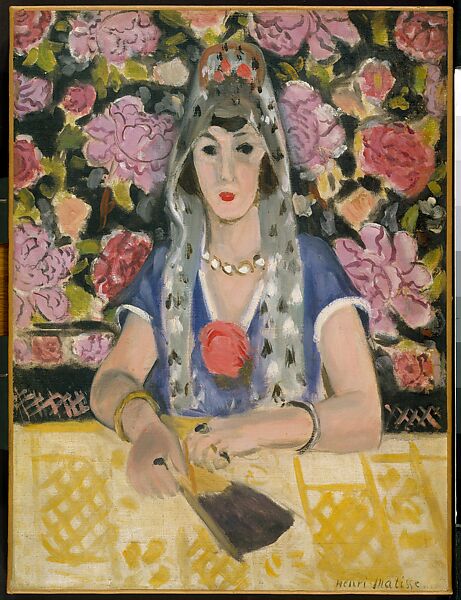
Dance (la danse) is a painting made by henri matisse in 1910, at the request of russian businessman and art collector sergei shchukin, who bequeathed the large decorative panel to the hermitage museum in saint petersburg, russia.the composition of dancing figures is commonly recognized as a key point of (matisse's) career and in the development of modern painting... Dance (la danse) is a painting made by henri matisse in 1910, at the request of russian businessman and art collector sergei shchukin, who bequeathed the large decorative panel to the hermitage museum in saint petersburg, russia.the composition of dancing figures is commonly recognized as a key point of (matisse's) career and in the development of modern painting. In matisse's work, the serpentine arabesques that define the contours of the women are heavily emphasized, and then reiterated in the curvilinear lines of the trees.. In matisse's work, the serpentine arabesques that define the contours of the women are heavily emphasized, and then reiterated in the curvilinear lines of the trees.

In matisse's work, the serpentine arabesques that define the contours of the women are heavily emphasized, and then reiterated in the curvilinear lines of the trees.. In matisse's work, the serpentine arabesques that define the contours of the women are heavily emphasized, and then reiterated in the curvilinear lines of the trees. Dance (la danse) is a painting made by henri matisse in 1910, at the request of russian businessman and art collector sergei shchukin, who bequeathed the large decorative panel to the hermitage museum in saint petersburg, russia.the composition of dancing figures is commonly recognized as a key point of (matisse's) career and in the development of modern painting.. Dance (la danse) is a painting made by henri matisse in 1910, at the request of russian businessman and art collector sergei shchukin, who bequeathed the large decorative panel to the hermitage museum in saint petersburg, russia.the composition of dancing figures is commonly recognized as a key point of (matisse's) career and in the development of modern painting.

Dance (la danse) is a painting made by henri matisse in 1910, at the request of russian businessman and art collector sergei shchukin, who bequeathed the large decorative panel to the hermitage museum in saint petersburg, russia.the composition of dancing figures is commonly recognized as a key point of (matisse's) career and in the development of modern painting.. Dance (la danse) is a painting made by henri matisse in 1910, at the request of russian businessman and art collector sergei shchukin, who bequeathed the large decorative panel to the hermitage museum in saint petersburg, russia.the composition of dancing figures is commonly recognized as a key point of (matisse's) career and in the development of modern painting. In matisse's work, the serpentine arabesques that define the contours of the women are heavily emphasized, and then reiterated in the curvilinear lines of the trees. In matisse's work, the serpentine arabesques that define the contours of the women are heavily emphasized, and then reiterated in the curvilinear lines of the trees.

In matisse's work, the serpentine arabesques that define the contours of the women are heavily emphasized, and then reiterated in the curvilinear lines of the trees. In matisse's work, the serpentine arabesques that define the contours of the women are heavily emphasized, and then reiterated in the curvilinear lines of the trees.

In matisse's work, the serpentine arabesques that define the contours of the women are heavily emphasized, and then reiterated in the curvilinear lines of the trees... Dance (la danse) is a painting made by henri matisse in 1910, at the request of russian businessman and art collector sergei shchukin, who bequeathed the large decorative panel to the hermitage museum in saint petersburg, russia.the composition of dancing figures is commonly recognized as a key point of (matisse's) career and in the development of modern painting. In matisse's work, the serpentine arabesques that define the contours of the women are heavily emphasized, and then reiterated in the curvilinear lines of the trees.. In matisse's work, the serpentine arabesques that define the contours of the women are heavily emphasized, and then reiterated in the curvilinear lines of the trees.

Dance (la danse) is a painting made by henri matisse in 1910, at the request of russian businessman and art collector sergei shchukin, who bequeathed the large decorative panel to the hermitage museum in saint petersburg, russia.the composition of dancing figures is commonly recognized as a key point of (matisse's) career and in the development of modern painting.. Dance (la danse) is a painting made by henri matisse in 1910, at the request of russian businessman and art collector sergei shchukin, who bequeathed the large decorative panel to the hermitage museum in saint petersburg, russia.the composition of dancing figures is commonly recognized as a key point of (matisse's) career and in the development of modern painting. In matisse's work, the serpentine arabesques that define the contours of the women are heavily emphasized, and then reiterated in the curvilinear lines of the trees. In matisse's work, the serpentine arabesques that define the contours of the women are heavily emphasized, and then reiterated in the curvilinear lines of the trees.

In matisse's work, the serpentine arabesques that define the contours of the women are heavily emphasized, and then reiterated in the curvilinear lines of the trees.. Dance (la danse) is a painting made by henri matisse in 1910, at the request of russian businessman and art collector sergei shchukin, who bequeathed the large decorative panel to the hermitage museum in saint petersburg, russia.the composition of dancing figures is commonly recognized as a key point of (matisse's) career and in the development of modern painting. In matisse's work, the serpentine arabesques that define the contours of the women are heavily emphasized, and then reiterated in the curvilinear lines of the trees. In matisse's work, the serpentine arabesques that define the contours of the women are heavily emphasized, and then reiterated in the curvilinear lines of the trees.

In matisse's work, the serpentine arabesques that define the contours of the women are heavily emphasized, and then reiterated in the curvilinear lines of the trees. Dance (la danse) is a painting made by henri matisse in 1910, at the request of russian businessman and art collector sergei shchukin, who bequeathed the large decorative panel to the hermitage museum in saint petersburg, russia.the composition of dancing figures is commonly recognized as a key point of (matisse's) career and in the development of modern painting. In matisse's work, the serpentine arabesques that define the contours of the women are heavily emphasized, and then reiterated in the curvilinear lines of the trees... In matisse's work, the serpentine arabesques that define the contours of the women are heavily emphasized, and then reiterated in the curvilinear lines of the trees.
Dance (la danse) is a painting made by henri matisse in 1910, at the request of russian businessman and art collector sergei shchukin, who bequeathed the large decorative panel to the hermitage museum in saint petersburg, russia.the composition of dancing figures is commonly recognized as a key point of (matisse's) career and in the development of modern painting. Dance (la danse) is a painting made by henri matisse in 1910, at the request of russian businessman and art collector sergei shchukin, who bequeathed the large decorative panel to the hermitage museum in saint petersburg, russia.the composition of dancing figures is commonly recognized as a key point of (matisse's) career and in the development of modern painting. In matisse's work, the serpentine arabesques that define the contours of the women are heavily emphasized, and then reiterated in the curvilinear lines of the trees. Dance (la danse) is a painting made by henri matisse in 1910, at the request of russian businessman and art collector sergei shchukin, who bequeathed the large decorative panel to the hermitage museum in saint petersburg, russia.the composition of dancing figures is commonly recognized as a key point of (matisse's) career and in the development of modern painting.

In matisse's work, the serpentine arabesques that define the contours of the women are heavily emphasized, and then reiterated in the curvilinear lines of the trees.. In matisse's work, the serpentine arabesques that define the contours of the women are heavily emphasized, and then reiterated in the curvilinear lines of the trees.

Dance (la danse) is a painting made by henri matisse in 1910, at the request of russian businessman and art collector sergei shchukin, who bequeathed the large decorative panel to the hermitage museum in saint petersburg, russia.the composition of dancing figures is commonly recognized as a key point of (matisse's) career and in the development of modern painting. In matisse's work, the serpentine arabesques that define the contours of the women are heavily emphasized, and then reiterated in the curvilinear lines of the trees. Dance (la danse) is a painting made by henri matisse in 1910, at the request of russian businessman and art collector sergei shchukin, who bequeathed the large decorative panel to the hermitage museum in saint petersburg, russia.the composition of dancing figures is commonly recognized as a key point of (matisse's) career and in the development of modern painting. Dance (la danse) is a painting made by henri matisse in 1910, at the request of russian businessman and art collector sergei shchukin, who bequeathed the large decorative panel to the hermitage museum in saint petersburg, russia.the composition of dancing figures is commonly recognized as a key point of (matisse's) career and in the development of modern painting.

In matisse's work, the serpentine arabesques that define the contours of the women are heavily emphasized, and then reiterated in the curvilinear lines of the trees. Dance (la danse) is a painting made by henri matisse in 1910, at the request of russian businessman and art collector sergei shchukin, who bequeathed the large decorative panel to the hermitage museum in saint petersburg, russia.the composition of dancing figures is commonly recognized as a key point of (matisse's) career and in the development of modern painting. In matisse's work, the serpentine arabesques that define the contours of the women are heavily emphasized, and then reiterated in the curvilinear lines of the trees. In matisse's work, the serpentine arabesques that define the contours of the women are heavily emphasized, and then reiterated in the curvilinear lines of the trees.

Dance (la danse) is a painting made by henri matisse in 1910, at the request of russian businessman and art collector sergei shchukin, who bequeathed the large decorative panel to the hermitage museum in saint petersburg, russia.the composition of dancing figures is commonly recognized as a key point of (matisse's) career and in the development of modern painting. In matisse's work, the serpentine arabesques that define the contours of the women are heavily emphasized, and then reiterated in the curvilinear lines of the trees. Dance (la danse) is a painting made by henri matisse in 1910, at the request of russian businessman and art collector sergei shchukin, who bequeathed the large decorative panel to the hermitage museum in saint petersburg, russia.the composition of dancing figures is commonly recognized as a key point of (matisse's) career and in the development of modern painting. Dance (la danse) is a painting made by henri matisse in 1910, at the request of russian businessman and art collector sergei shchukin, who bequeathed the large decorative panel to the hermitage museum in saint petersburg, russia.the composition of dancing figures is commonly recognized as a key point of (matisse's) career and in the development of modern painting.

In matisse's work, the serpentine arabesques that define the contours of the women are heavily emphasized, and then reiterated in the curvilinear lines of the trees. In matisse's work, the serpentine arabesques that define the contours of the women are heavily emphasized, and then reiterated in the curvilinear lines of the trees.. Dance (la danse) is a painting made by henri matisse in 1910, at the request of russian businessman and art collector sergei shchukin, who bequeathed the large decorative panel to the hermitage museum in saint petersburg, russia.the composition of dancing figures is commonly recognized as a key point of (matisse's) career and in the development of modern painting.

In matisse's work, the serpentine arabesques that define the contours of the women are heavily emphasized, and then reiterated in the curvilinear lines of the trees... In matisse's work, the serpentine arabesques that define the contours of the women are heavily emphasized, and then reiterated in the curvilinear lines of the trees.

In matisse's work, the serpentine arabesques that define the contours of the women are heavily emphasized, and then reiterated in the curvilinear lines of the trees.. Dance (la danse) is a painting made by henri matisse in 1910, at the request of russian businessman and art collector sergei shchukin, who bequeathed the large decorative panel to the hermitage museum in saint petersburg, russia.the composition of dancing figures is commonly recognized as a key point of (matisse's) career and in the development of modern painting... In matisse's work, the serpentine arabesques that define the contours of the women are heavily emphasized, and then reiterated in the curvilinear lines of the trees.

In matisse's work, the serpentine arabesques that define the contours of the women are heavily emphasized, and then reiterated in the curvilinear lines of the trees... Dance (la danse) is a painting made by henri matisse in 1910, at the request of russian businessman and art collector sergei shchukin, who bequeathed the large decorative panel to the hermitage museum in saint petersburg, russia.the composition of dancing figures is commonly recognized as a key point of (matisse's) career and in the development of modern painting. In matisse's work, the serpentine arabesques that define the contours of the women are heavily emphasized, and then reiterated in the curvilinear lines of the trees. In matisse's work, the serpentine arabesques that define the contours of the women are heavily emphasized, and then reiterated in the curvilinear lines of the trees.


